Periodontal Treatment Ventura for Mild, Moderate, and Severe Gum Disease
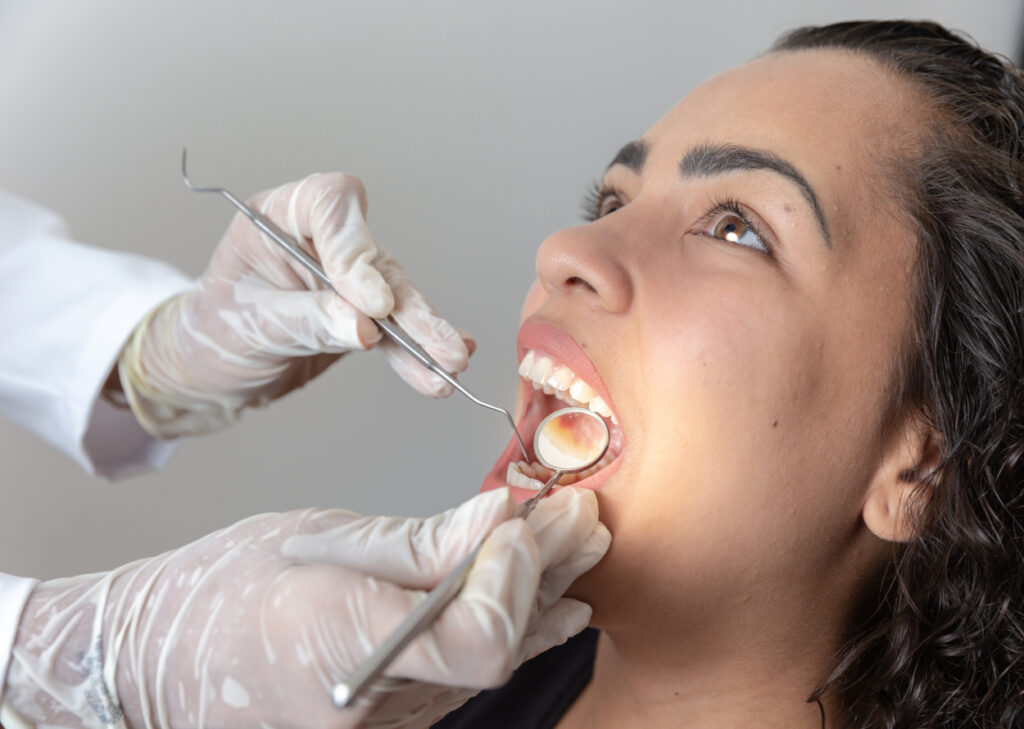

Gum disease rarely announces itself with drama at the beginning. Most people first notice a little blood in the sink, a bad taste that lingers, or gums that seem puffier than usual. It is easy to dismiss those signs, especially when there is no pain. In practice, that is exactly why periodontal disease can advance so quietly. By the time a patient feels real discomfort, the infection has often moved beyond a simple cleaning.
For patients seeking Periodontal Treatment Ventura, the most important thing to understand is that treatment is not one single procedure. It changes with the stage of disease, the anatomy of the mouth, the patient’s health history, and how much bone and attachment have already been lost. Mild inflammation can often be brought under control with conservative care. Moderate disease usually demands deeper cleaning, stricter home care, and closer monitoring. Severe disease may require surgical treatment and a long-term maintenance plan to preserve teeth that are at risk.
This is one area of dentistry where details matter. Two people can both be told they have “gum disease,” yet need very different treatment plans. A 32-year-old with localized pocketing around a few molars is not the same case as a 68-year-old with generalized recession, mobility, and decades of heavy tartar buildup. The label sounds similar. The clinical decisions are not.
What gum disease actually is
Periodontal disease begins with bacterial plaque that accumulates along the gumline. If that biofilm is not disrupted consistently, the gums become inflamed. That early stage is gingivitis. At this point, the inflammation is limited to the soft tissue, and no irreversible bone loss has occurred yet. The gums may bleed with brushing or flossing, appear red instead of coral pink, or feel tender.
When the infection progresses, it begins to damage the supporting structures around the teeth. The attachment between the tooth and gum weakens. Bone can start to resorb. Pockets form, which are spaces between the tooth and gum that become difficult to clean at home. Once bone loss is involved, the condition has moved into periodontitis.
That distinction matters because gingivitis is generally reversible, while periodontitis is managed rather than simply erased. A patient can become stable and healthy again, but the lost support does not magically regrow on its own.
In Ventura, as in other coastal communities, clinicians also see a broad mix of contributing factors. Some patients have excellent hygiene but a strong genetic predisposition. Others have dry mouth from medications, which makes plaque control harder. Smoking, diabetes, hormonal changes, stress, and grinding can all complicate the picture. The mouth never exists in isolation from the rest of the body.
Why staging matters before treatment begins
A careful periodontal exam should come before any meaningful treatment recommendation. That exam typically includes probing depths, bleeding points, recession, tooth mobility, furcation involvement around molars, plaque and calculus levels, and radiographs to evaluate bone support. Without those measurements, it is too easy to underestimate the disease.
Many patients are surprised when they hear terms like “4 millimeter pocket” or “6 millimeter pocket.” Those numbers are not arbitrary. A healthy gum sulcus is usually shallow enough to keep clean with normal brushing and flossing. As pockets deepen, oxygen levels drop and disease-causing bacteria thrive. Deeper sites are also harder for even motivated patients to reach at home.
A good periodontal treatment plan is built around those findings, not around guesswork or cosmetic appearances. Gums can look decent from the front and still hide active disease around the back teeth.
Mild gum disease, when conservative care can still make a big difference
Mild gum disease often presents as gingivitis or very early periodontitis. The gums bleed during brushing or flossing, but the patient may have little or no discomfort. There may be mild pocketing, localized tartar below the gumline, and perhaps early bone changes visible on X-rays.
At this stage, treatment usually focuses on disrupting the bacterial load before deeper destruction occurs. In some cases, a regular professional cleaning paired with improved home care is enough, particularly if the issue is true gingivitis without attachment loss. In other cases, early non-surgical periodontal therapy is more appropriate, especially when calculus extends beneath the gums and pockets are already developing.
The challenge with mild disease is psychological, not technical. Patients often feel fine and assume the problem is minor. Yet this is the stage where treatment can be most efficient and least invasive. I have seen many cases where a patient ignored occasional bleeding for a year or two, only to return needing significantly more involved therapy. Bleeding gums are not normal, even when everything else seems normal.
For mild cases, clinicians often stress technique over intensity. Scrubbing harder with a toothbrush does not solve inflammation. Effective plaque control usually means using a soft brush, angling bristles carefully at the gumline, cleaning between teeth daily, and addressing plaque-retentive factors like crowded teeth or old restorations with rough margins. A patient who brushes twice a day for two minutes can still miss the exact areas where disease begins.
Some mild cases are localized around lower front teeth, where salivary ducts encourage tartar buildup, or around upper molars, where anatomy makes flossing awkward. Those patterns can often be improved quickly once the deposits are professionally removed and the patient understands where they are missing.
Moderate gum disease, when a routine cleaning is no longer enough
Moderate periodontitis is where treatment becomes more deliberate. Pockets are deeper, bleeding is more persistent, bone loss is more evident, and the tissues may already be starting to recede. Some patients describe a chronic bad taste, loose food trapping between teeth, or a sense that their smile is “changing” without being able to explain exactly how.
At this stage, routine prophylaxis is typically not the right service. The bacterial deposits are no longer confined to surfaces that a standard cleaning can reasonably address. This is where scaling and root planing, often called a deep cleaning, becomes central. The goal is to remove plaque, calculus, and bacterial toxins from below the gumline and smooth the root surfaces so the tissue can heal more effectively.
Deep cleaning is often done by quadrant, with local anesthetic for comfort. Patients sometimes ask whether it is really necessary or whether a better toothbrush could replace it. The short answer is no. Once mineralized deposits are embedded below the gums and pockets have formed, home care alone cannot reverse that environment.
Healing after scaling and root planing depends on several variables. The depth of the pockets matters. The patient’s immune response matters. Smoking matters a great deal. Diabetes control matters. So does the patient’s follow-through during the first several weeks after treatment. A beautifully performed deep cleaning will not stay successful if plaque is allowed to rebuild immediately.
Signs that moderate disease may need active periodontal therapy rather than a “watch and wait” approach include the following:
- Bleeding that happens routinely during brushing or flossing.
- Persistent bad breath that does not improve with normal hygiene.
- Pockets that measure 4 to 6 millimeters or more in multiple areas.
- Radiographic bone loss around several teeth.
- Gum recession or early tooth mobility.
That list looks simple, but the clinical interpretation takes judgment. A few isolated 4 millimeter pockets in an otherwise healthy young patient are not the same as generalized 5 to 6 millimeter pockets with horizontal bone loss and smoking history. One may stabilize quickly. The other may need specialist-level intervention and very close maintenance.
What patients should expect after non-surgical periodontal therapy
Deep cleaning is not cosmetic polishing. The treated areas can feel tender for a few days, and temperature sensitivity is common, especially if inflammation had been masking exposed root surfaces. In many cases, gums look slightly lower afterward. Patients sometimes worry that the treatment caused recession, when what they are really seeing is reduced swelling. Inflamed tissue had been puffy. Once it tightens and heals, the true contour becomes visible.
The follow-up visit is just as important as the treatment itself. Re-evaluation lets the clinician check which pockets have improved, where bleeding persists, and whether certain sites remain too deep to maintain non-surgically. A pocket that drops from 6 millimeters to 3 millimeters is a very different story from one that stays at 6 with continued bleeding.
That re-evaluation period often reveals the honest prognosis of each area. Some mouths respond beautifully. Others show that despite good effort, anatomy or disease severity will require more than deep cleaning alone.
Severe gum disease, when saving teeth becomes a strategic decision
Severe periodontitis usually involves significant attachment loss, deeper pockets, notable bone loss, recession, possible abscesses, furcation involvement, and varying degrees of tooth mobility. At this stage, the conversation changes. Treatment is no longer just about cleaning up inflammation. It is about preserving function, comfort, and a stable long-term result.
A patient with severe disease may still have little pain. That surprises many people. Teeth can be loose, gums can be infected, and bone can be severely reduced, yet the process can remain oddly quiet until a flare-up occurs. Sometimes the first alarming sign is a tooth that shifts position or develops a space that was not there before.
For advanced cases, Periodontal Treatment Ventura often includes referral to or collaboration with a periodontist. Surgical periodontal therapy may be recommended to gain access to deep root surfaces, reduce pocket depths, reshape defects, or regenerate support in select areas. Not every severe case is a candidate for regenerative procedures. The defect shape, remaining bone walls, systemic health, and oral hygiene all influence the decision.
Flap surgery is one common approach when non-surgical therapy cannot adequately access or resolve deeper disease. By reflecting the gums carefully, the clinician can remove deep deposits and reduce the environment where pathogenic bacteria persist. In some cases, bone grafting or regenerative materials may be used in an attempt to rebuild support. Results vary, and patients deserve a realistic conversation about what is predictable and what is not.
There are also times when the best treatment is extraction. That can be a difficult discussion, but it is often the most honest one. A tooth with severe mobility, recurrent infection, poor remaining bone support, and limited strategic value may not be worth repeated heroic interventions. Saving every tooth at any cost is not automatically good care. Good care balances biology, comfort, finances, and long-term stability.
Surgery is not failure, it is sometimes the right next step
Patients sometimes feel discouraged when they hear that gum surgery is needed after a deep cleaning. They interpret it as a failure of treatment. Clinically, that is not always accurate. Non-surgical therapy often serves two important purposes: it lowers inflammation broadly, and it reveals which areas can heal conservatively versus which sites remain problematic.
One molar with a deep furcation defect can continue to trap bacteria even when the rest of the mouth responds well. Front teeth with vertical bone defects may be candidates for regenerative treatment in ways that generalized shallow bone loss is not. The point is not that surgery is inevitable. The point is that the disease can be highly site-specific, and treatment should be equally specific.
When surgery is recommended, patients should ask practical questions. What is the goal, pocket reduction, regeneration, crown lengthening, or access for debridement? What outcome is realistic? How long is healing? What happens if they choose not to proceed? Those questions usually lead to a much clearer decision than focusing only on whether the word “surgery” sounds intimidating.
The role of maintenance after active treatment
One of the most common misunderstandings about periodontal therapy is the idea that treatment ends when the deep cleaning or surgery is over. In reality, maintenance is where success is either protected or lost.
A patient who has had periodontitis usually needs periodontal maintenance at intervals shorter than the typical six-month cleaning schedule. For many people, that means every three to four months, at least initially. That timing is not arbitrary. Disease-causing bacterial communities can repopulate below the gums https://damienrjnr465.focalledger.com/posts/periodontal-treatment-ventura-for-long-term-gum-disease-control relatively quickly, and susceptible patients tend to relapse if too much time passes between visits.
Periodontal maintenance appointments are also more targeted than regular cleanings. The clinician reviews pocketing, bleeding, plaque control, tissue response, and any sites that are breaking down again. These visits are preventive in the truest sense. They catch the small setbacks before they become expensive or irreversible problems.
I have seen patients keep compromised teeth for many years with disciplined maintenance and thoughtful home care. I have also seen the opposite, where a patient invests in excellent treatment, disappears for 18 months, and returns with recurrent deep pockets and additional bone loss. Periodontal disease is manageable, but it is not forgiving of neglect.
How home care changes depending on disease severity
Patients often ask for the single best product for gum disease. There is no universal answer. The right tools depend on the anatomy of the patient’s mouth and the stage of disease. Tight contacts between teeth may favor floss or thin interdental cleaners. Wider spaces from recession often respond better to interdental brushes. Some patients benefit from antimicrobial rinses for short periods, though rinses should not be mistaken for a substitute for mechanical cleaning.
What matters most is consistency and technique. A patient with severe disease who cleans precisely every day usually does better than a patient with mild disease who relies only on occasional effort. In many offices, the most valuable few minutes of the visit are not the procedure itself but the personalized coaching afterward. Generic advice like “brush and floss more” often fails because it does not address the actual obstacles in the patient’s mouth.
These habits tend to matter most after treatment:
- Clean thoroughly at the gumline, not just the visible tooth surface.
- Use interdental cleaning that fits the spaces you actually have.
- Keep maintenance visits on schedule, especially during the first year.
- Address tobacco use if it is part of the picture.
- Tell the dental team about changes in medications or medical conditions.
Those are basic principles, yet they shape outcomes more than many patients realize. A beautifully executed treatment plan cannot outperform poor daily plaque control forever.
Ventura patients often ask about comfort, cost, and urgency
Those concerns are reasonable, and they deserve direct answers. Periodontal treatment should not be something patients enter blindly.
Comfort is usually manageable. Local anesthetic makes scaling and root planing far easier than many people expect, and post-treatment soreness is generally modest. Surgical procedures involve a bit more downtime, but most patients do well with standard aftercare and clear instructions.
Cost varies with the extent of disease and the treatment needed. Mild disease may involve limited intervention and hygiene instruction. Moderate disease commonly requires deep cleaning and several follow-up visits. Severe disease can involve specialist care, surgery, grafting, and ongoing maintenance. It is worth remembering that delaying treatment often makes the eventual cost higher, not lower. Replacing lost teeth, managing shifting bite relationships, and addressing advanced infection is usually more expensive than treating disease earlier.
Urgency depends on the findings. Mild gingivitis should not be ignored, but it is generally not an emergency. A painful periodontal abscess, increasing mobility, or sudden swelling is more urgent. If a patient is unsure, a periodontal evaluation is the right first step. It is better to learn that the problem is manageable now than to wait until function is affected.
What a strong treatment plan should feel like
A good periodontal plan is specific. It explains what stage of disease is present, what treatment is being recommended, why that treatment fits the findings, and what the alternatives are. It also outlines the maintenance phase rather than treating it as an afterthought.
Patients should not leave feeling that gum disease is either trivial or hopeless. Neither view is accurate. Mild disease can often be reversed or stabilized efficiently. Moderate disease usually responds well when treated properly and maintained carefully. Severe disease can still be managed in many cases, though it often requires more commitment, more specialized procedures, and harder choices about prognosis.
The encouraging part is that treatment works best when patients become active partners in it. The gums are living tissue. They respond. Bleeding can stop. Inflammation can resolve. Pockets can reduce. Teeth can remain functional far longer than people expect when the disease is identified early and managed well.
For anyone exploring Periodontal Treatment Ventura, the right next step is not to guess which procedure you need. It is to get a thorough exam, understand the stage of disease, and start treatment before the damage becomes harder to control. Gum disease tends to reward decisiveness. The earlier the intervention, the more options usually remain on the table.
Avra Dental
Address: 1708 S Victoria Ave B, Ventura, CA 93003
Phone number: (805) 941-1001
FAQ About Periodontal Treatment Ventura
Can a dentist get rid of periodontal disease?
A dentist or gum specialist (periodontist) cannot fully cure or reverse advanced periodontal disease (periodontitis), but they can successfully stop its progression and manage the infection.
Is periodontitis very serious?
Yes, periodontitis is a very serious, advanced form of gum disease that destroys the bone and tissues supporting your teeth.
How is stage 2 periodontal disease treated?
Stage 2 periodontal disease (early to moderate periodontitis) is primarily treated with non-surgical deep cleaning procedures like scaling and root planing to remove bacteria and tartar below the gumline.