What First-Time Patients Should Know About Periodontal Treatment Ventura
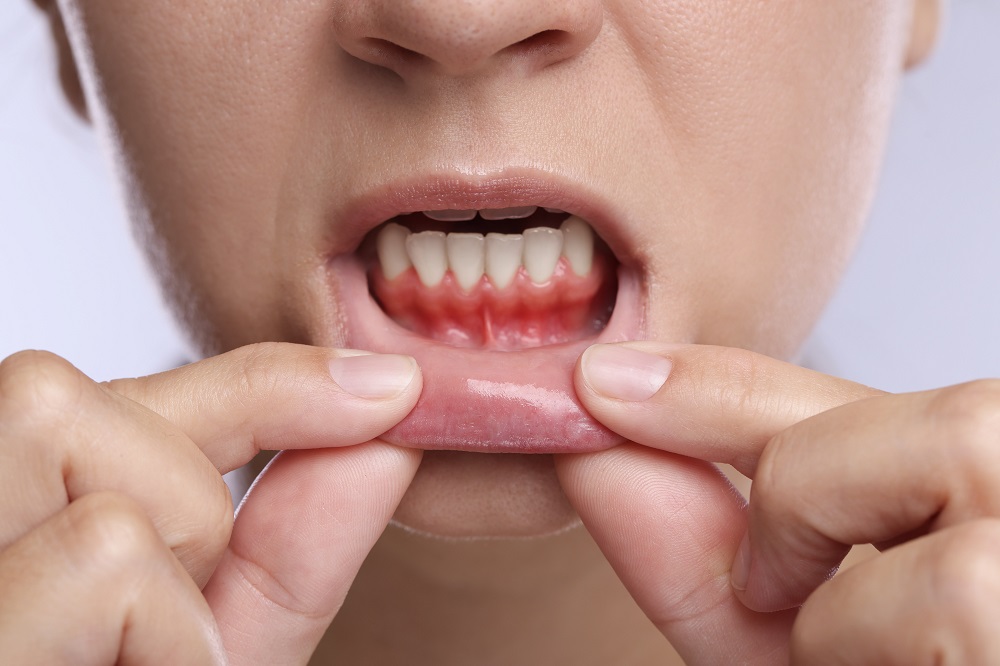
Hearing that you need periodontal treatment can land with a thud, especially if you went in expecting a routine cleaning and left with a treatment plan you did not see coming. That reaction is common. Many first-time patients feel a mix of surprise, concern, and confusion because gum disease often advances quietly. Teeth may look fine in the mirror, and pain is not always the first warning sign.
If you are exploring Periodontal Treatment Ventura, it helps to know that periodontal care is not one single procedure. It is a category of treatment aimed at controlling gum infection, preserving the bone that supports your teeth, reducing inflammation, and giving you a realistic path to long-term stability. For some patients, that means a deep cleaning and closer maintenance visits. For others, it may involve localized antibiotics, gum surgery, tissue grafting, or treatment around dental implants.
The most useful mindset is this: periodontal treatment is not cosmetic housekeeping. It is therapy for a chronic inflammatory condition that can gradually weaken the structures that hold teeth in place. The earlier it is addressed, the more conservative treatment tends to be.
Why gum disease catches people off guard
Most people understand cavities. They know sugar feeds bacteria, bacteria produce acid, and enamel can decay. Gum disease is less intuitive. It begins when bacterial plaque accumulates along and beneath the gumline. The body responds with inflammation. Gums may swell, bleed, and pull away from the teeth. As the condition progresses, the infection can affect the periodontal ligament and surrounding bone.
The tricky part is that this process can be slow and uneven. One area may look and feel normal while another has deeper pockets, bleeding, or bone loss. I have seen patients with excellent brushing habits still develop periodontal problems because technique, anatomy, bite forces, clenching, smoking history, medications, diabetes, and simple genetics all play a role. Gum disease is not always a sign that someone has been neglectful. Sometimes it reflects a perfect storm of risk factors.
That is often a relief for first-time patients to hear. Shame does not help treatment. Clarity does.
What your first periodontal visit usually involves
A periodontal evaluation is more detailed than a regular cleaning appointment. The goal is to build a map of your gum health and determine whether the problem is mild inflammation, early periodontal disease, or a more advanced case that requires staged care.
A typical first visit includes a close review of your medical history, medications, dental history, and symptoms. Even details that seem unrelated matter. Dry mouth, blood pressure drugs, pregnancy, autoimmune conditions, tobacco use, vaping, diabetes, stress, and a history of grinding or clenching can all change the picture.
Your provider will usually measure the spaces between your teeth and gums with a small probe. Those measurements help identify periodontal pockets, areas where bacteria can collect below the gumline and resist ordinary brushing and flossing. X-rays are often reviewed to check bone levels around the teeth. The gums may be evaluated for bleeding, recession, swelling, and the presence of plaque or hardened tartar, also called calculus.
This part can feel technical, but it should never feel rushed. A good periodontal exam is part diagnosis, part education. You should come away understanding not just what is wrong, but where it is wrong, how serious it is, and why the recommended treatment matches your condition.
The terms you are likely to hear
The language of periodontal care can sound more intimidating than the treatment itself. A few terms come up repeatedly.
Gingivitis refers to inflammation of the gums without bone loss. Gums may bleed, look puffy, and feel tender, but the supporting structures have not yet been permanently damaged. This stage is often reversible with professional cleaning and improved home care.
Periodontitis means the inflammation has progressed to involve deeper supporting tissues and bone. At this stage, the disease is managed rather than simply “cleaned away.” The aim is to stop progression and preserve what support remains.
Scaling and root planing, often called a deep cleaning, involves removing bacterial deposits and calculus from below the gumline and smoothing the root surfaces so the tissue can heal more effectively.
Periodontal maintenance is the ongoing recall schedule after active treatment. Many patients need these visits every three or four months rather than every six months because periodontal disease can return if biofilm is allowed to rebuild unchecked.
Recession means the gum tissue has moved away from the crown of the tooth, exposing more root surface. This may cause sensitivity or make teeth appear longer.
Pocket depth is the measurement between the tooth and the gum edge. Deeper pockets can indicate more advanced disease, though the full picture also depends on bleeding, bone level, mobility, and tissue health.
Signs that deserve attention before your appointment
Some first-time patients seek care because a dentist has referred them. Others already sense something is off. The most common warning signs are not dramatic, but they are important.
- Bleeding when brushing, flossing, or eating firmer foods
- Persistent bad breath or a bad taste that does not improve with brushing
- Gums that look swollen, shiny, red, or uneven
- Teeth that seem longer, more sensitive, or slightly loose
- A bite that feels different, especially in one area
Bleeding is the symptom people dismiss most often. Healthy gums do not regularly bleed from routine brushing or flossing. If they do, that is not a cue to stop cleaning the area. It is a cue to have it evaluated.
Not every “deep cleaning” is the same
When patients hear they need scaling and root planing, they sometimes assume it is simply a longer regular cleaning. It is not. A preventive cleaning is meant for mouths that are generally healthy, where plaque and tartar are mostly above the gumline. Periodontal therapy reaches deeper. It targets deposits below the gumline, where inflammation is active and ordinary polishing will not solve the problem.
This is why insurance language and scheduling can feel confusing. A regular cleaning may take place in one shorter visit. A deep cleaning is often divided into sections of the mouth, especially if numbing is required. The appointment may include local anesthetic, antimicrobial rinses, irrigation, or site-specific antibiotics, depending on the findings and the office’s approach.
Patients often ask if this hurts. The honest answer is that comfort varies, but modern periodontal treatment is usually very manageable. Numbing is commonly used for deeper areas. Afterwards, the gums may feel tender for a few days, and cold sensitivity can temporarily increase as inflamed tissue shrinks and exposed root surfaces become easier to feel. That can sound alarming, but it is frequently part of normal healing.
What treatment may look like in Ventura
The phrase Periodontal Treatment Ventura covers a wide range of care, from early intervention to specialist-level therapy for more advanced disease. The specifics depend on severity, anatomy, and how your gums respond over time.
For mild to moderate disease, treatment often begins with non-surgical therapy. This typically means scaling and root planing, targeted instruction on home care, and a re-evaluation after the tissue has had time to calm down. Some pockets improve nicely once the bacterial load is reduced and the patient can keep the area cleaner at home.
For more complex cases, non-surgical care https://johnnyrcog265.westhavenscope.com/posts/how-lifestyle-habits-affect-the-need-for-periodontal-treatment-in-ventura may be only the first phase. If pockets remain deep, if bone defects are significant, or if gum recession creates functional problems, surgical care may be recommended. That can include flap procedures to access deposits under the tissue, gum grafting to protect exposed roots, regenerative techniques in selected defects, or crown lengthening when tooth structure needs to be exposed for restorative reasons.
Implants add another layer. Patients are often surprised to learn that implants can develop inflammatory problems too. Peri-implant mucositis and peri-implantitis require thoughtful management, and home care around implants is not always intuitive. If you already have implants, mention any bleeding or soreness around them right away.
The connection between gum health and whole-body health
Periodontal disease is local, but it does not exist in a vacuum. Chronic gum inflammation has been linked with several systemic conditions, especially where inflammation and immune response matter. The evidence is strongest in showing associations, not simple one-way causation, but those associations are clinically meaningful.
Diabetes is one of the most important examples. Poorly controlled blood sugar can worsen gum disease, and significant periodontal inflammation can make diabetes harder to manage. It is a two-way relationship. Pregnancy, cardiovascular risk factors, certain immune conditions, and medications that reduce saliva can also complicate periodontal care.
This is one reason clinicians ask so many medical questions. A thorough provider is not being nosy. They are trying to treat the gums in the context of the whole patient.
Why maintenance matters more than people expect
One of the most common misunderstandings is that periodontal treatment is a one-time fix. It rarely works that way. Periodontal disease behaves more like a chronic condition that can be brought under control, then monitored and maintained. If you complete treatment and disappear for a year or two, the disease process often resumes quietly.
That does not mean treatment failed. It means the mouth returned to the biological conditions that allowed inflammation to take hold in the first place.
Periodontal maintenance visits are designed to interrupt that cycle. These visits are usually more frequent than routine cleanings because the bacterial communities in susceptible mouths can repopulate below the gumline fairly quickly. During maintenance, the clinician checks pocketing, bleeding points, recession, mobility, plaque retention areas, and changes in bone support over time. Home care is adjusted as needed, especially if dexterity issues, crowded teeth, bridges, implants, or recession make plaque control more difficult.
I have seen patients make a dramatic turnaround simply by respecting the maintenance schedule. I have also seen otherwise good treatment results unravel because maintenance kept getting postponed. The difference often comes down to consistency, not heroics.
What home care actually helps
Patients usually know they should brush and floss, but vague advice is not enough when periodontal disease is involved. Technique matters. The shape of your gums, spacing between teeth, and presence of restorations or implants may mean standard floss is not the best main tool for every area.
A provider may recommend a soft electric toothbrush, interdental brushes, a water flosser, specialty floss threaders, antimicrobial rinses, or prescription-strength products in certain cases. The point is not to collect gadgets. It is to choose tools you will use correctly and consistently.
A patient with tight contacts and healthy dexterity may do beautifully with floss and an electric brush. Another with recession, bridges, or wider embrasures may get far better results with small interdental brushes. Someone recovering from surgery may need a temporary modified routine. Home care should fit the mouth in front of you, not an idealized diagram.
It is also worth knowing what home care cannot do. It cannot remove hardened calculus once it has formed below the gumline. It cannot reverse advanced bone loss. It can, however, dramatically improve treatment outcomes and reduce the chance of recurrence.
Questions worth asking at your consultation
A first periodontal consultation can feel dense. You do not need to ask everything at once, but a few focused questions can help you understand what lies ahead.
- How advanced is the disease in my case, and which teeth or areas are most affected?
- Is the first step non-surgical treatment, or do you already expect surgery may be needed?
- What level of discomfort and recovery time is typical for the treatment you recommend?
- How often will I need periodontal maintenance after active treatment?
- What should I change at home right now to improve my chances of healing well?
These questions do more than gather facts. They reveal whether your provider communicates clearly and thinks in practical terms. Good periodontal care is not just a procedure. It is a partnership.
Cost, insurance, and the value question
Financial concerns are real, and patients sometimes delay treatment because they are unsure what insurance covers. Coverage varies widely. Some plans contribute toward scaling and root planing, maintenance, X-rays, and periodontal surgery, but they often have waiting periods, annual maximums, or frequency limitations that do not match ideal clinical timing.
That mismatch can be frustrating. If a patient needs periodontal maintenance every three or four months but the plan covers only a limited number of visits or categorizes them differently, out-of-pocket costs can rise. It helps to ask for a written treatment estimate and a clear explanation of what is considered urgent versus what may be phased.
The larger value question is whether postponing care actually saves money. In many cases, it does not. Early periodontal treatment is usually simpler and less expensive than dealing later with loose teeth, gum grafting, bone loss, extractions, or tooth replacement. There is no need to use fear as a sales tactic here. It is simply the usual economics of prevention versus repair.
If you are nervous, say so early
Dental anxiety is common, and periodontal treatment can sound especially unsettling because the words themselves feel clinical and serious. Tell the office if you are anxious, have had difficult dental experiences, or struggle with numbing, gagging, jaw soreness, or sensitivity. Those details can change how appointments are planned.
Sometimes the best adjustment is simple. Shorter visits, more frequent breaks, stronger topical anesthetic, noise-canceling headphones, a careful explanation before each step, or scheduling at a less stressful time of day can make a meaningful difference. For more involved care, some practices may discuss sedation options where appropriate.
Patients occasionally apologize for being embarrassed about the state of their gums. There is no need. Periodontal teams have seen every variation of disease progression, oral anatomy, and home care history. The useful starting point is honesty, not perfection.
Recovery is usually steadier than people fear
After non-surgical periodontal treatment, most patients can return to normal activity the same day. Gums may feel sore, flossing can be tender for a short period, and mild sensitivity to cold is common. Soft foods for a day or two can help if the tissues feel raw. Warm saltwater rinses are often soothing, though you should follow your own provider’s instructions.
If surgical treatment is part of your care, the recovery depends on the procedure. A small localized graft is different from more extensive flap surgery. In general, the first few days are about protecting the area, controlling plaque without disturbing healing tissue, and following directions on rinsing, diet, and activity. Most post-treatment calls from patients involve ordinary concerns such as “Is this amount of swelling normal?” or “When can I brush that area again?” Those are good questions. Asking them promptly is part of taking care of yourself.
Healing also has a visual component that can surprise people. As inflammation subsides, gums often tighten and shrink slightly. That is healthy, but it can briefly make spaces look more noticeable between teeth. Patients sometimes interpret this as things getting worse when, biologically, the tissue is actually becoming less swollen and more stable.
Choosing the right provider for periodontal care
Some cases can be managed well by a general dentist with strong periodontal skills. Others are best evaluated by a periodontist, especially when there is advanced bone loss, tooth mobility, persistent deep pockets, recession requiring grafting, implant complications, or uncertainty about prognosis.
The right provider is not just the one with the broadest service menu. It is the one who diagnoses carefully, explains findings in plain language, and does not oversell. You should understand what is urgent, what is optional, what outcomes are realistic, and what your role will be after treatment. If everything is framed as either a catastrophe or a quick fix, step back and ask more questions.
Ventura patients often have the same practical concerns patients have anywhere else: convenience, cost, comfort, and trust. Those concerns matter. The best treatment plan is the one that is clinically sound and realistic enough for you to complete and maintain.
What many first-time patients wish they had known sooner
Looking back, many patients say the biggest surprise was not the treatment itself. It was how manageable things became once they understood the diagnosis. The uncertainty was worse than the appointments. They also often wish they had taken earlier gum bleeding more seriously, asked more direct questions at routine dental visits, or kept maintenance visits from sliding off the calendar.
That pattern makes sense. Gum disease does not usually force attention with dramatic pain at the start. It asks for vigilance instead, and vigilance is harder to sustain when life gets busy.
If you are considering Periodontal Treatment Ventura for the first time, the most important thing to know is that treatment works best when it is timely, personalized, and followed by consistent maintenance. You do not need to master the entire field of periodontics before your first appointment. You need a clear diagnosis, a provider who communicates well, and a willingness to treat gum health as part of your long-term health rather than a one-off dental task.
That shift in perspective tends to change everything.
Avra Dental
Address: 1708 S Victoria Ave B, Ventura, CA 93003
Phone number: (805) 941-1001
FAQ About Periodontal Treatment Ventura
Can a dentist get rid of periodontal disease?
A dentist or gum specialist (periodontist) cannot fully cure or reverse advanced periodontal disease (periodontitis), but they can successfully stop its progression and manage the infection.
Is periodontitis very serious?
Yes, periodontitis is a very serious, advanced form of gum disease that destroys the bone and tissues supporting your teeth.
How is stage 2 periodontal disease treated?
Stage 2 periodontal disease (early to moderate periodontitis) is primarily treated with non-surgical deep cleaning procedures like scaling and root planing to remove bacteria and tartar below the gumline.